Are The Free Vancouver Beaches Safe To Swim In?
A straight answer on swimming safety at Vancouver's free beaches, what to check before you get in, and how the free GuruWalk walking tours connect to the waterfront.
In Short
Yes, in the way most people mean the question. Vancouver's beaches are free to enter and swim from, the swimming season sits in summer, and the City of Vancouver monitors recreational water quality at its beaches and posts advisories when a beach should be avoided. Cold water is the constant hazard on this coast, even in August. Check the current advisory for your specific beach on the day you go, swim where lifeguards are on duty in summer, and treat any beach with a posted advisory as closed for swimming.
This question sits inside the free beaches in Vancouver guide.
Quick Facts
| Question | The short version |
|---|---|
| Do the beaches cost anything? | No, Vancouver's public beaches are free to enter |
| Is swimming monitored? | The City of Vancouver monitors beach water quality in swimming season and posts advisories |
| Are lifeguards present? | Lifeguards patrol designated beaches in summer; hours vary and outside summer there are none |
| Is the water warm? | No, this is the Pacific coast: cold water applies at every beach, all year |
| Which beach is easiest from downtown? | English Bay, on the downtown peninsula's west side |
| Can a free walk tie in? | Yes, 6 free walks on GuruWalk cover downtown, Gastown and the Art Gallery area |
Are The Free Vancouver Beaches Safe To Swim In?
Yes, for a fit swimmer who checks two things first: the current water quality advisory for that specific beach, and whether lifeguards are on duty that day. Vancouver's public beaches are free to enter, the City runs a recreational water monitoring program and posts advisories when bacteria levels make swimming unsafe, lifeguards patrol designated beaches through the summer, and the Pacific stays chilly enough to be a constant hazard even at the height of summer.
That is the honest shape of the answer. Safety at a Vancouver beach is not a yes or no property of the city, it is a property of the day. A beach that is clean and lifeguarded on a Saturday afternoon in July is a different place on a stormy October evening, and the same sand can carry a swimming advisory one week and be clear the next. The City of Vancouver publishes beach water quality results during the swimming season and posts signs at the beach itself when swimming is not advised, so the check takes about a minute and is worth doing every time.
The beaches themselves are genuinely free. There is no entry fee, no gate and no ticket at English Bay, Kitsilano, Jericho, Spanish Banks, Sunset, Second Beach or any of the city's public beaches. That free access is part of why they are so central to summer life here, and it is also why the safety question comes up so often: a beach with no ticket booth and no staffed entrance puts more of the responsibility on the swimmer. Nobody is checking whether you read the advisory board on your way past.
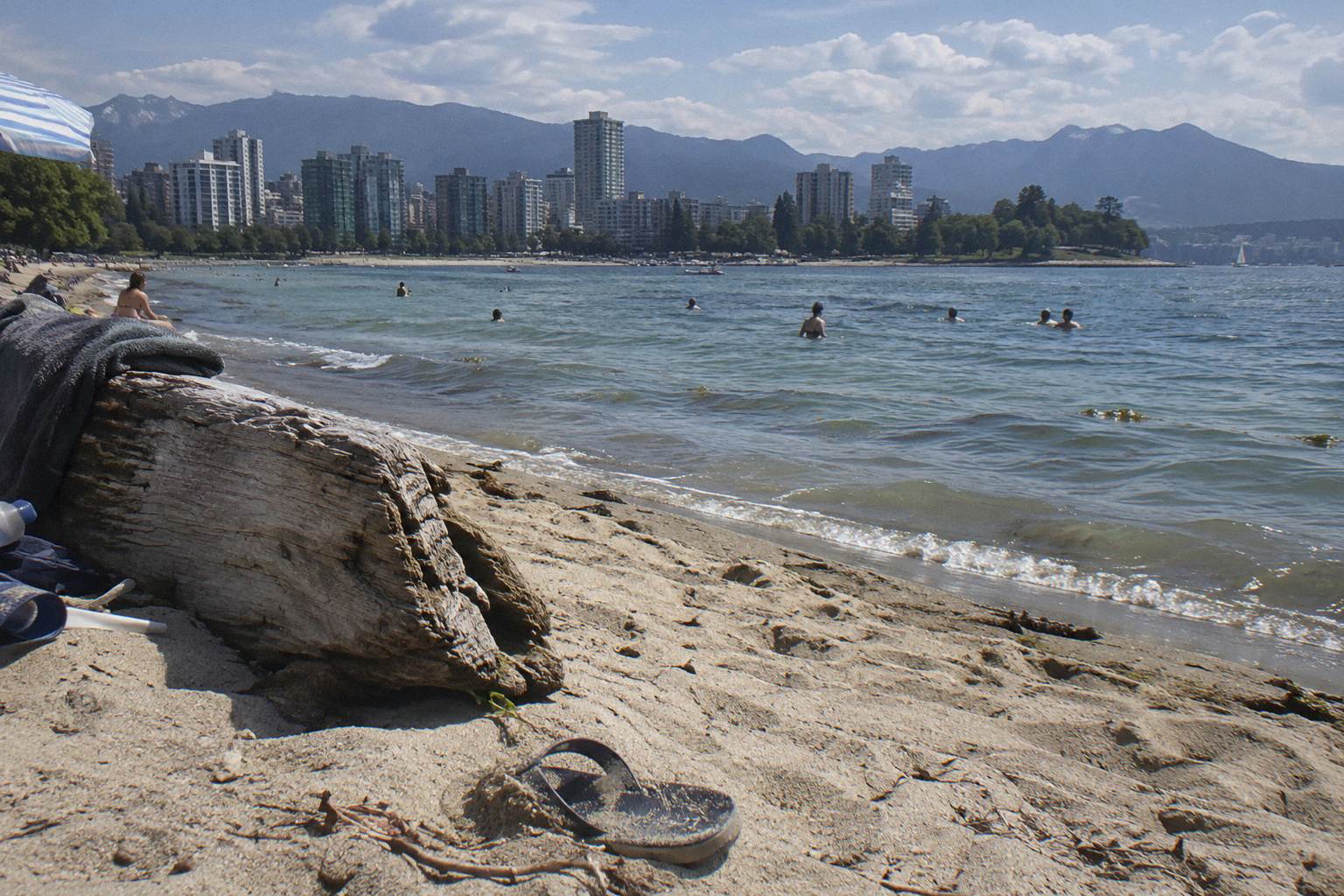
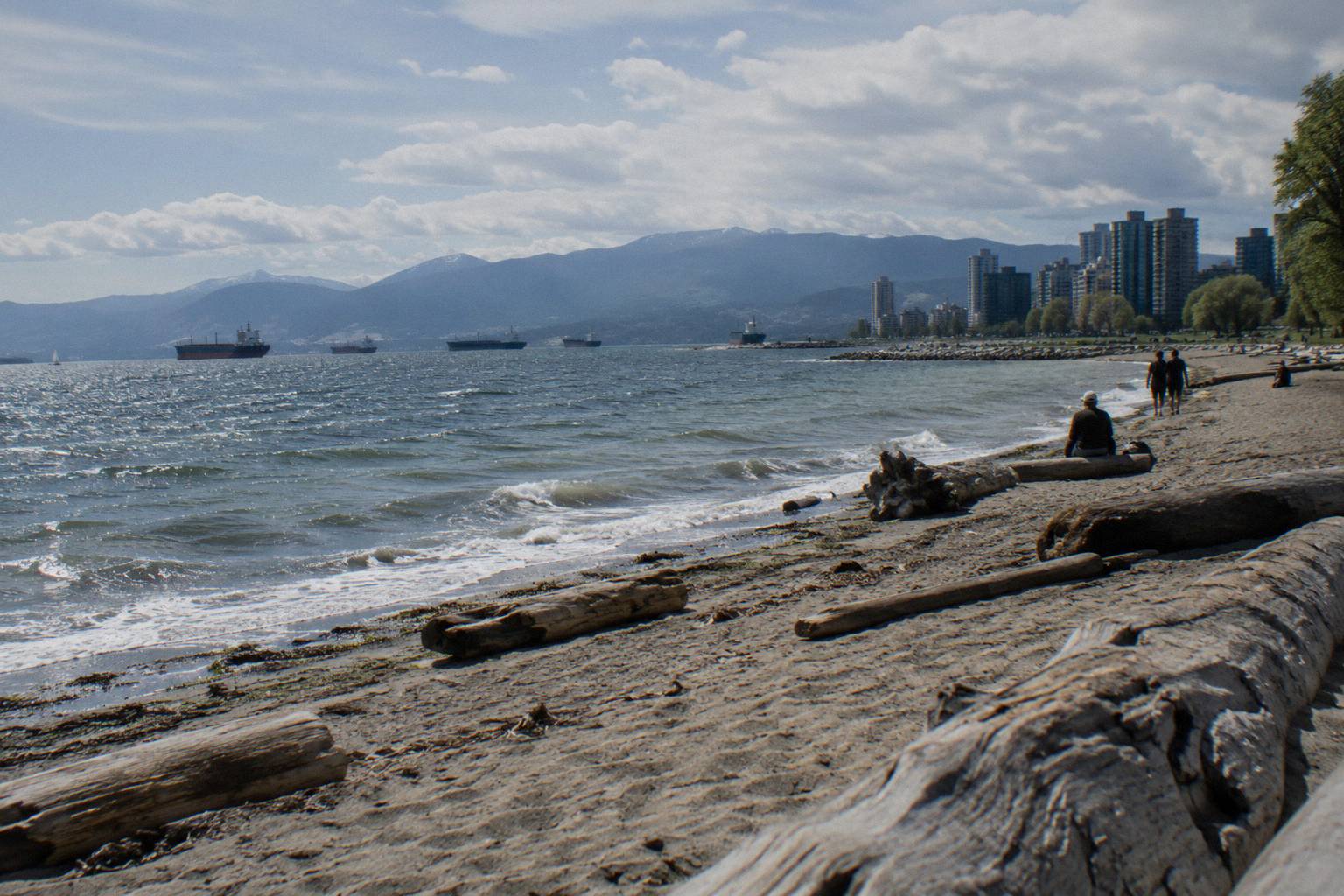
What tends to surprise visitors is the water temperature rather than the water quality. Ocean beaches on this coast are fed by the same cold Pacific that keeps the mountains snow-capped well into summer, and even the warmest stretch of August produces water that feels bracing on the first plunge. English Bay, facing the sheltered inner waters of Burrard Inlet, is generally the gentler option for a first swim, while the Kitsilano and Spanish Banks beaches along English Bay's west side offer bigger sand expanses with the same cold water. Neither is a warm-water beach, and neither pretends to be.
The other half of the safety picture is water quality, and here Vancouver's system is straightforward. During swimming season, the city monitors indicator bacteria at its supervised beaches, and when results exceed the recreational guideline it posts a no-swimming advisory at the beach and online until follow-up samples come back clean. Rain is the usual trigger: heavy storms overwhelm storm drains and push runoff into the water, which is why an advisory can appear after a big rainstorm and lift a few days later. The practical habit is simple, swim a day or more after heavy rain if you can, and never swim at a beach that is carrying a posted advisory sign. You can check the status of Vancouver's beaches and their monitoring program on the City of Vancouver's beach pages.
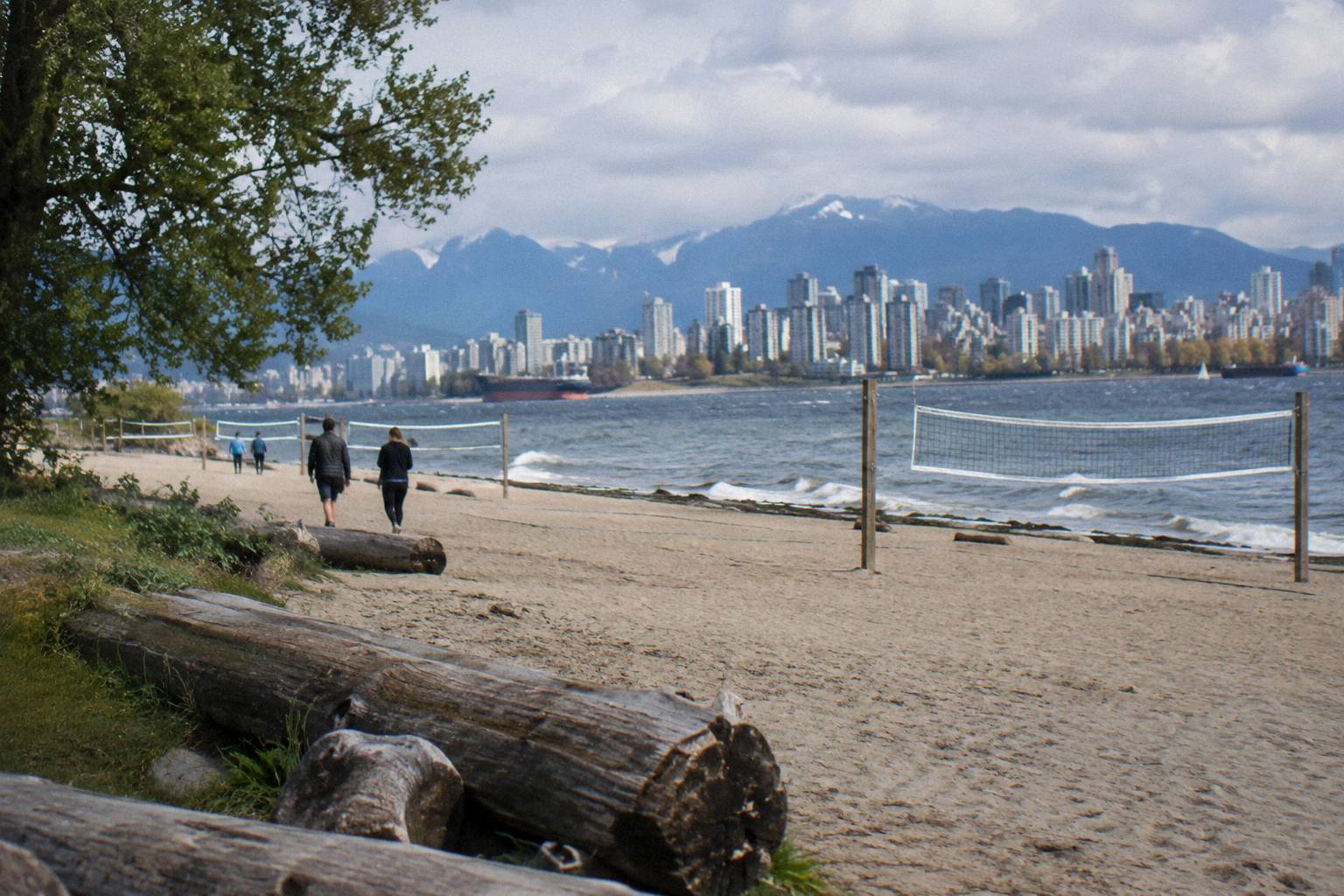
None of this makes the beaches dangerous in the way the question sometimes imagines. Thousands of people swim at English Bay and Kitsilano every summer week, the Polar Bear Swim at English Bay each 1 January draws crowds into water far colder than anything in July, and the free beach scene is one of the city's genuine no-cost pleasures. The safety margin comes from three habits: check the advisory, swim near lifeguards in summer, and respect the cold. Do those and the free beaches are as safe as any urban Pacific shoreline gets.
What Is The Short Answer?
The short answer is: swim in summer, at a supervised beach, after checking that day's advisory. Vancouver's beaches are free to enter, the water is cold year-round, the City of Vancouver monitors swimming water quality in season and posts advisories at affected beaches, and lifeguards are on duty at designated beaches through the summer months. Outside summer there are no lifeguards and the water is significantly colder, so swimming becomes a personal risk decision rather than a supported activity.
Unpacking that, the seasonal point matters more than people expect. Summer is when the system is fully switched on: monitoring runs, lifeguards sit the towers at the designated beaches, and the water, while still cold, is at its least punishing. From autumn through spring the towers are empty, the water temperature drops sharply, and anyone going in is doing it without any of the summer safety net. The annual Polar Bear Swim at English Bay, a free event held on 1 January, is the one organised exception, and even that is a brief, supervised plunge rather than a swim.
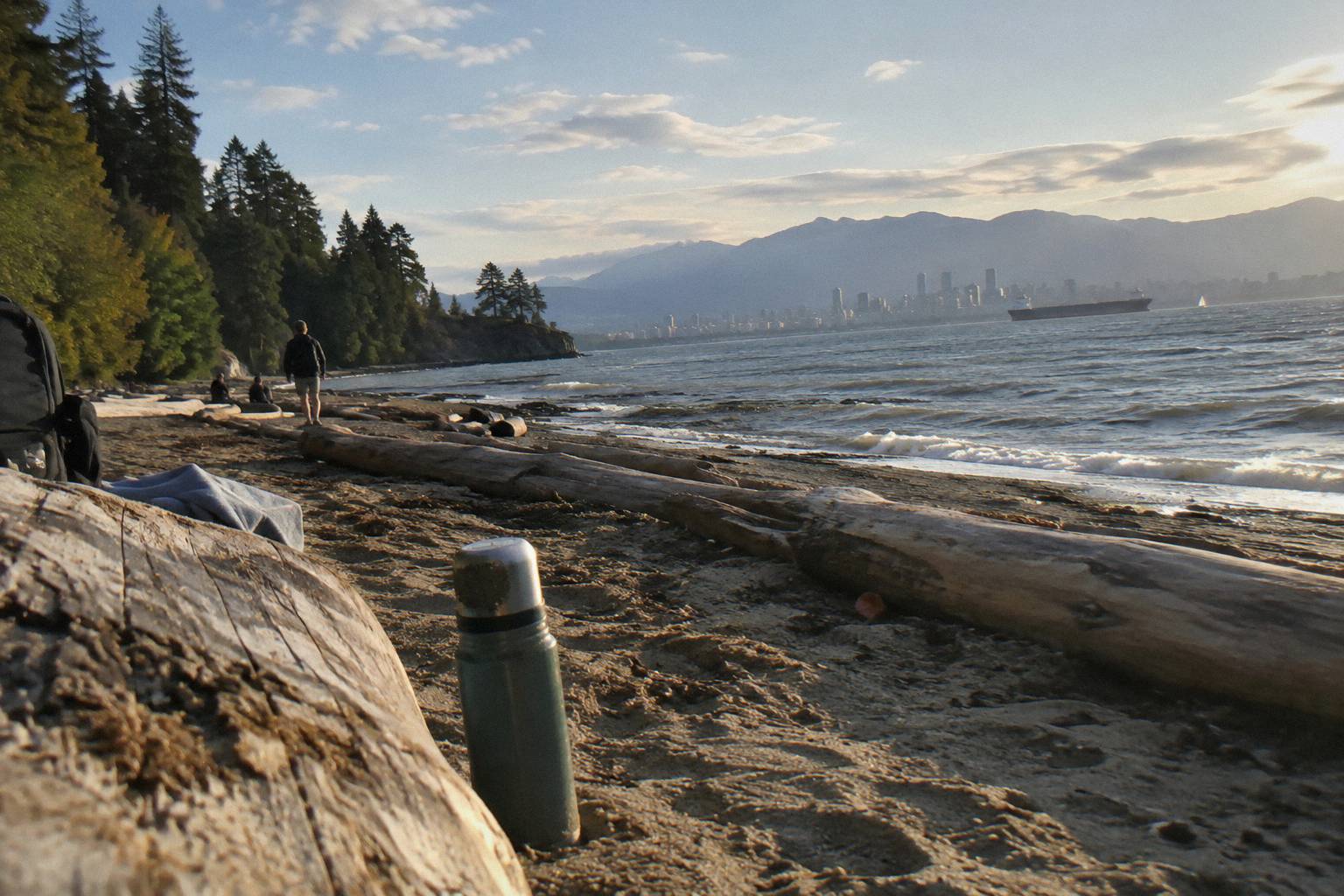
The beach choice matters too. English Bay and Second Beach sit close to the West End and downtown, Kitsilano and Jericho face them across the bay, and Spanish Banks stretches out beyond. All are free, all are public, and all are monitored in season, but they differ in character: the downtown-side beaches are busier and easier to reach without a car, while the Kitsilano-side ones offer more sand and a more local pace. For a visitor staying downtown with no vehicle, English Bay is the obvious first swim, and it is a pleasant walk from the downtown core through the West End.
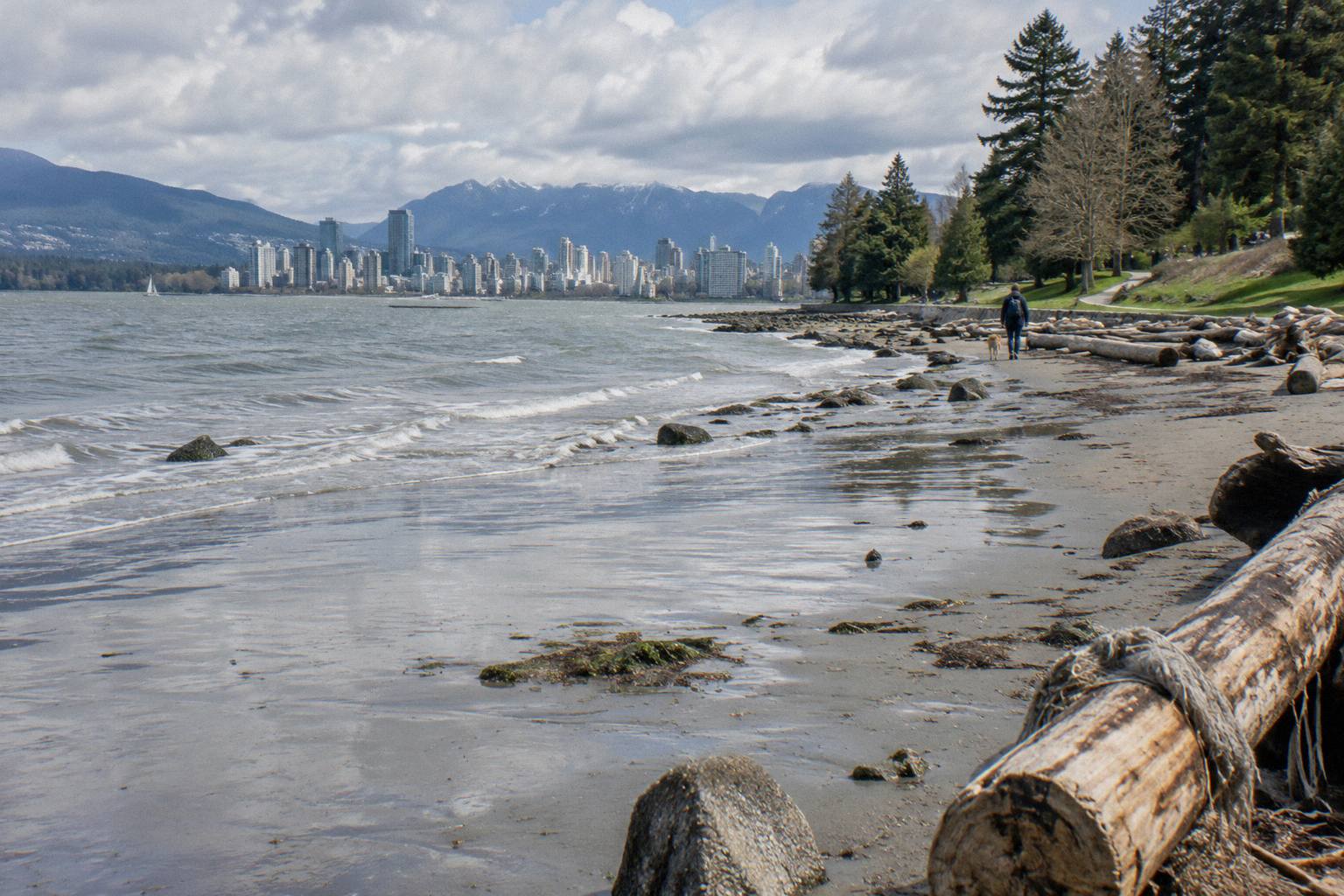
One honest limitation on any article like this: no written guide can tell you the water quality on the day you go, because that genuinely changes. The advisory system exists precisely because the answer moves. Treat everything here as the framework, the habits and the geography, and let the day's posted status make the final call. A beach that was fine last week and is under advisory today is closed for swimming today, full stop, even if the water looks clean from the sand.
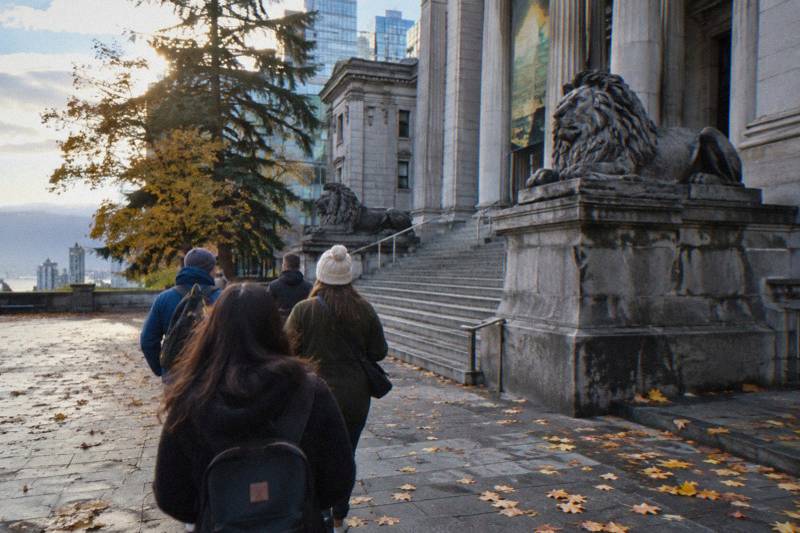
Pairing a beach afternoon with a walking morning is one of the better free days Vancouver offers, and the downtown walks make that easy. Vancouver Unscripted: A Storyteller's Downtown Adventure, a 3 hour walk led by guide Kyle, rated 4.94 out of 5 across 105 GuruWalk reviews, meets at the Vancouver Art Gallery by the two stone lions, an easy distance from the West End streets that lead down to English Bay. It runs in English, it is free to join with pay what you want, and it is reserved through GuruWalk, where its page carries the current details.
What Should You Know Before You Go?
Four things do most of the work: check the beach's posted water quality advisory on the day, swim at a lifeguarded beach within the summer season, expect cold water at any Vancouver beach, and keep the free-versus-paid distinction straight in your head. The beaches themselves cost nothing, at every one of them. Paid neighbours exist, for example Kitsilano Pool is a paid facility beside free Kitsilano Beach, and a paid neighbour never makes the free beach paid.
Start with the advisory check. The City of Vancouver monitors its swimming beaches in season, and when a beach fails the guideline it posts a sign at the beach, which is the version of the warning you literally cannot miss if you look for it on arrival. Signs matter more than memory or last week's news, because bacteria levels after storms rise and fall faster than any article can track. The habit to build is a ten-second scan of the entrance area or the lifeguard tower on arrival, plus the online status check before you leave your accommodation.
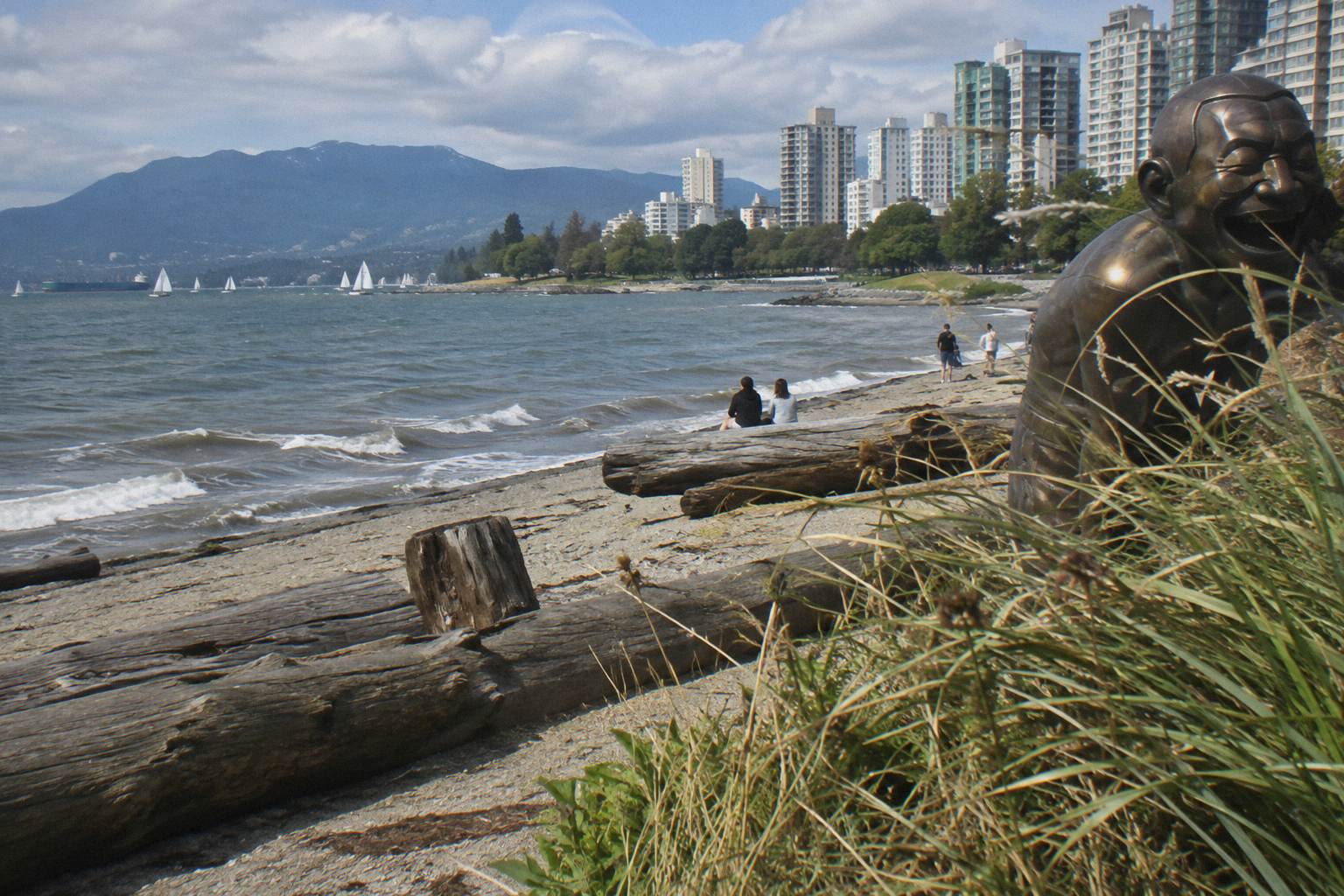
Cold water deserves more respect than it usually gets. The classic pattern for trouble is a hot day, an impulsive long swim, and a body that tires faster than the swimmer expects in cool water. Short first swims, staying close to shore, and swimming parallel to the beach rather than out toward boats are the standard, boring, effective precautions. Children get cold faster than adults, which is worth factoring into how long a swim session lasts. None of this is unique to Vancouver, but the Pacific baseline temperature makes it more relevant here than on an Atlantic or Mediterranean holiday.
The free-versus-paid map is worth a table, because the beach strip mixes genuinely free public sand with paid facilities right beside it:
| Beach or facility | Free or paid | What to know |
|---|---|---|
| English Bay Beach | Free | Public sand and swimming, monitored in season |
| Second Beach (Stanley Park) | Free | Public beach inside the free park |
| Kitsilano Beach | Free | Public sand, one of the largest beaches |
| Kitsilano Pool | Paid | A paid outdoor pool beside the free beach |
| Jericho Beach and Spanish Banks | Free | Public beaches, more room, same cold water |
| Sunset Beach | Free | Public beach near the False Creek mouth |
The other before-you-go point is timing around rain. Stormwater runoff is the main driver of short-term water quality problems at urban beaches, so the standard advice on this coast is to avoid swimming for a day or so after heavy rain and to let the monitoring catch up. That is a habit, not a rule with a fixed number of hours attached, and the posted advisory remains the authoritative signal. If it says swim, swim; if it says do not, do not.
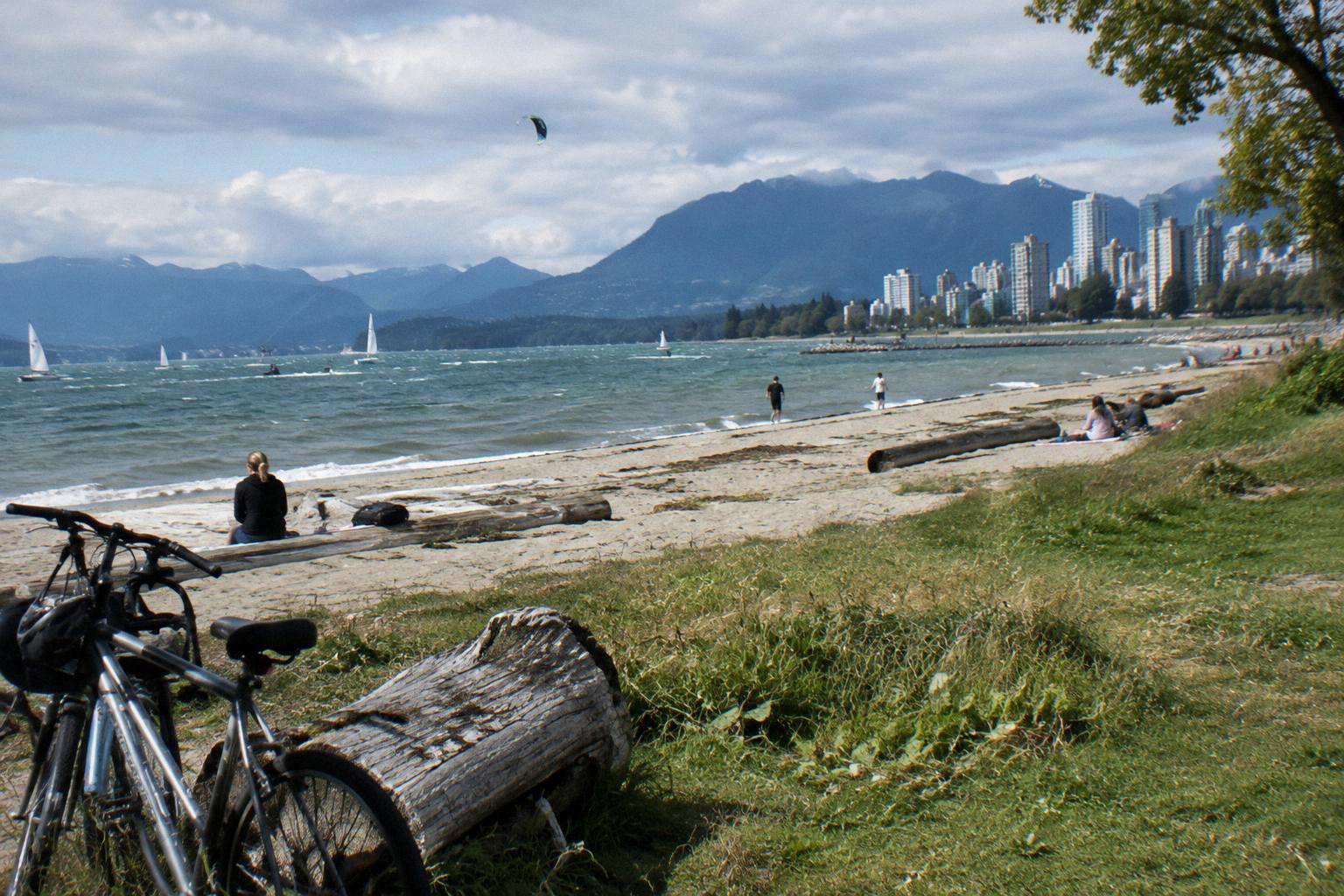
Finally, know what kind of water you are in. Vancouver's swimming beaches sit on Burrard Inlet and English Bay, which are sheltered, largely estuary-like waters rather than open ocean surf. Waves are usually modest, which makes for friendlier swimming than a true surf beach, but tides, currents near the bay mouth and boat traffic all still exist. Staying inside the marked swimming areas at lifeguarded beaches handles most of that. For anything beyond a casual swim, the lifeguards on duty are the right people to ask about that day's conditions, and asking them is free too.
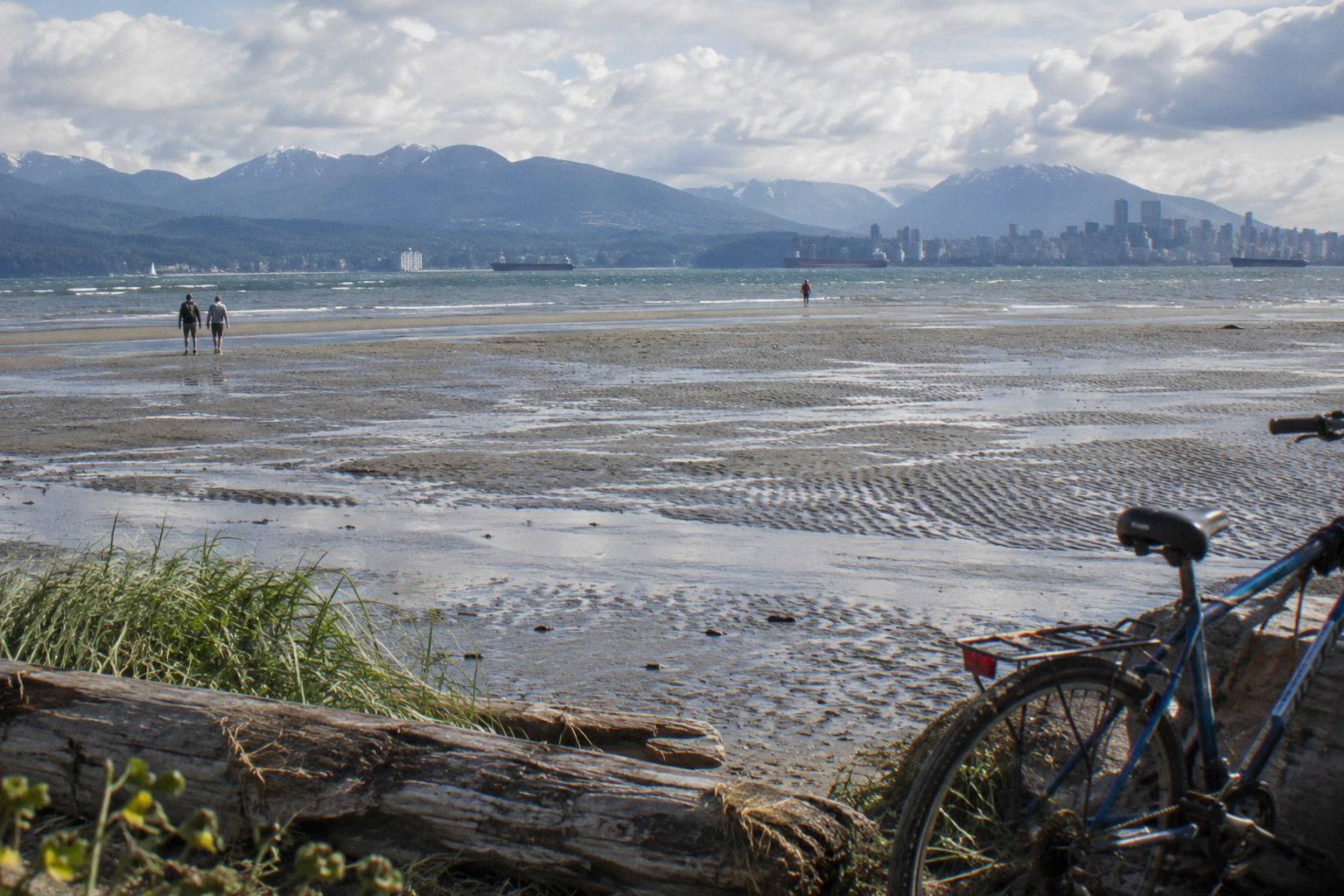
Which Free Walking Tours Cover This?
Two downtown tours pair best with a beach day: Vancouver Unscripted meets at the Vancouver Art Gallery, runs 3 hours in English, rated 4.94 out of 5 across 105 GuruWalk reviews, while the Vancouver Downtown and Canada Place Free Walking Tour meets at the Canada Place Welcome Centre, runs 3 hours in English and Spanish, rated 4.28 out of 5 across 251 reviews. Both end within walking distance of the West End's route to English Bay.
There are 6 free walks on GuruWalk across the site's covered districts, downtown and Canada Place, Gastown and Chinatown, and Robson Square and the Art Gallery, and every one of them is free to join with pay what you want, reserved through GuruWalk. For a swim-focused day the geography is the thing: a walk that finishes downtown leaves you a straightforward stroll from the beach, while the Gastown and Chinatown walks finish further from the sand but pair well with a seawall walk in the other direction.
The Gastown side of the roster offers its own beach-adjacent logic, because the Gastown walks start at Waterfront Station, 601 W Cordova St, which sits on the harbour edge. Admiring the Details of Vancouver, guided by Gaby, runs 2 hours in English, rated 4.93 out of 5 across 40 reviews, and Vancouver: Historical walking tour beyond postcard views, by East WOWs West Travel Adventures, runs 3 hours in English, French, Hungarian and Romanian, with 17 reviews but no overall rating on GuruWalk yet. At 2 and 3 hours, both are short enough to leave most of a day free for the beach afterwards.
A practical way to build the day: morning walk, afternoon beach. The Toonie-led downtown walk from the Canada Place Welcome Centre covers 3 hours in English or Spanish, and Canada Place itself sits on the waterfront, so the transition from walk to water is mostly a matter of heading west along the shore. The seawall route that connects the downtown waterfront toward Stanley Park and its beaches is free to walk, and the Stanley Park stretch includes Second Beach, one of the monitored swimming beaches, so a walk-and-swim day can be done entirely on foot and entirely without a ticket.
One honest note on expectations: none of these walks is a beach tour. They cover downtown, Gastown, Chinatown and the gallery district, with the waterfront as scenery and meeting-point geography rather than as swimming advice. What they do is put you in the right part of the city, with a couple of hours of orientation under your belt, so that the free beach afternoon that follows feels planned rather than stumbled into. The free versus paid walking tours guide breaks down how these walks differ, and the things to do with no money article collects more days like this one.
Mistakes That Trip People Up At Vancouver Beaches
The mistakes that catch people out are ordinary rather than exotic: swimming before reading that day's posted advisory, assuming lifeguards are present after the season ends, underestimating how cold the water stays on a hot day, and treating a paid facility beside a free beach as part of the free beach. Each lapse takes about ten seconds to fix: read the sign, know the season, keep first swims short, and check which side of the fence you are on.
The advisory mistake is the most common, because the water looks the same clean or not. Bacteria from stormwater runoff do not change the colour of the sea, and a sparkling afternoon can coincide with a posted no-swimming advisory. The sign at the beach and the city's posted status are the only reliable signals, so the fix is to make checking them as automatic as checking the weather. A related version of the mistake is assuming yesterday's status holds: after rain, conditions change on a day-to-day basis, and a beach that was advisory-free on Monday can be posted on Tuesday.
The season mistake catches visitors who arrive in the shoulder months. The picture of a lifeguarded urban beach belongs to summer; outside that window the towers are unstaffed, the monitoring program is not in its full swimming-season mode, and the water is colder. Swimming outside summer is not forbidden, and the Polar Bear Swim at English Bay each 1 January proves people do it in the coldest water of the year, but it is an unsupported swim and should be treated as one. If the plan is a casual swim, plan it for summer.
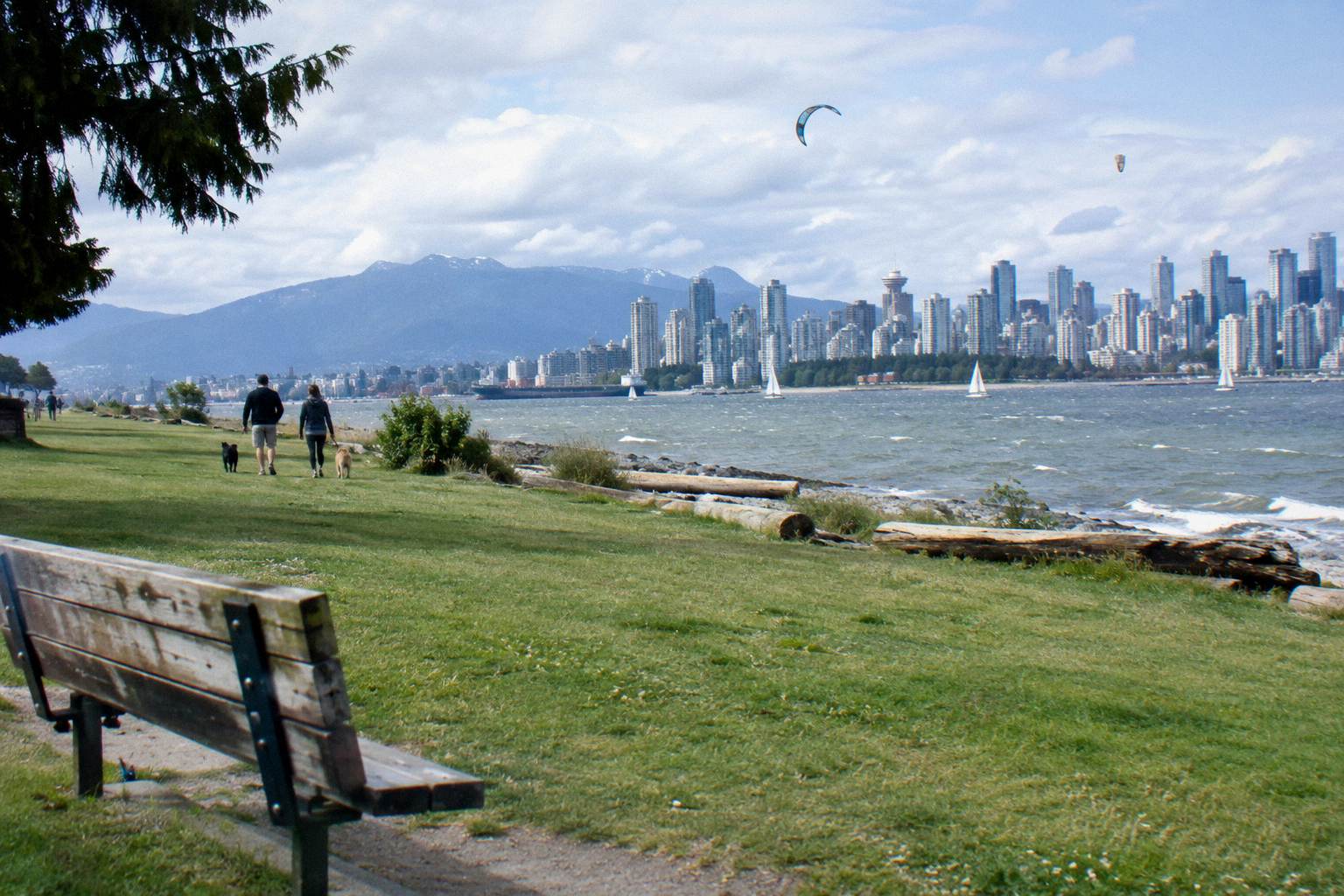
The free-versus-paid confusion is worth a second look because the beach strip is genuinely mixed. Kitsilano Beach is free; Kitsilano Pool beside it is a paid facility. Stanley Park is free to enter and Second Beach within it is free, while the Vancouver Aquarium inside the same park is paid. None of the paid neighbours change the status of the free sand next to them, but a day out goes better when the wallet expectations match the map. The free beaches guide lays out the full free list, and this site, Free Things To Do In Vancouver, keeps the rest of the no-cost city beside it.
Common Questions About Beach Swimming Safety In Vancouver
Are The Free Vancouver Beaches Safe To Swim In?
Yes, with the usual conditions: swim in summer at a lifeguarded beach, check that day's posted water quality advisory, and expect cold water at every beach. The City of Vancouver monitors swimming beaches in season and posts advisories at any beach that fails the guideline. Outside summer there are no lifeguards and the water is much colder, so swimming becomes a personal risk decision.
Is Beach Water Quality In Vancouver Monitored?
Yes. During the swimming season the City of Vancouver monitors indicator bacteria at its beaches and posts no-swimming advisories at any beach that exceeds the recreational guideline, lifting them once follow-up samples pass. Storms and the runoff that follows them are the usual cause of short-term problems, which is why advisories can appear and clear within days.
When Is Swimming Season At Vancouver Beaches?
Summer. That is when lifeguards patrol the designated beaches and the monitoring program runs in full swimming-season mode. Outside those months the towers are unstaffed and the water is considerably colder. The one organised off-season swim is the free Polar Bear Swim at English Bay each 1 January, a brief supervised event rather than a casual swim.
Do You Have To Pay To Swim At Vancouver Beaches?
No. Vancouver's public beaches, including English Bay, Second Beach, Kitsilano, Jericho, Spanish Banks and Sunset, are free to enter and swim from. Paid facilities do sit beside some of them, for example Kitsilano Pool next to Kitsilano Beach, but a paid neighbour never makes the free beach itself charge entry.
Is The Water Cold At Vancouver Beaches?
Yes, at every beach, all year. These are Pacific coast waters, and even at the height of summer the water feels bracing on the first plunge. Cold water tires swimmers faster than they expect, so short first swims, staying near shore and swimming parallel to the beach are the standard precautions, especially with children.
Can A Free Walking Tour Be Combined With A Beach Day?
Yes, and the geography makes it easy. The downtown GuruWalk walks finish within walking distance of the West End's route down to English Bay, and the Gastown walks start at Waterfront Station on the harbour edge. Every walk on the roster is free to join, pay what you want, reserved on GuruWalk, so a walk-and-swim day costs nothing but the day itself.